
Thinking about buying your first rental in East Austin but not sure where to start? You are not alone. East Austin offers strong demand, walkable pockets, and access to downtown and UT, but it also comes with tight cap rates, older housing stock, and important rules to understand. In this guide, you will learn practical strategies that fit the area, what to renovate for rentability, and the due diligence to complete before you write an offer. Let’s dive in.
Why East Austin attracts renters
East Austin is close to downtown, the University of Texas, and several major employment hubs. That proximity keeps rental demand steady among students and young professionals. Many neighborhoods also offer restaurants, music venues, and access to Lady Bird Lake trails, which helps with rentability.
“East Austin” is a catchall term. It covers several micro-neighborhoods east of I‑35 with different zoning, overlays, and housing stock. Examples include Central East, Govalle, East Cesar Chavez, St. John’s, and the East Riverside corridor. Micro-location matters for rents and appreciation, so compare block by block rather than assuming the East Austin label tells the whole story.
Planned transit investments, such as Project Connect corridors, can influence long-term values in certain areas. At the same time, new apartment and condo deliveries add supply on specific blocks. Your underwriting should account for both demand drivers and nearby competition.
Choose your micro-neighborhood wisely
Boundaries and overlays matter
Confirm the exact address boundaries, base zoning, and any overlays or neighborhood plans. These rules affect what you can build or add, such as an ADU, and whether you need special approvals for exterior changes. Do not rely on the general neighborhood name when evaluating allowed uses.
Renter demand hotspots
Properties near downtown, UT, and popular commercial corridors tend to attract steady interest. Walkability and access to parks or trails can support rentability. Streets with convenient parking and functional outdoor space also show well to tenants.
Watch new supply
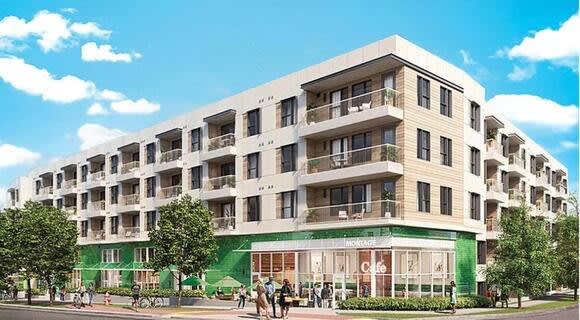
New mid-rise apartments or condo communities can impact rent comps within a few blocks. Check what is in the pipeline, not just what is visible today. If several hundred units are delivering nearby, build that into your rent growth assumptions.
Starter strategies that work here
Buy-and-hold single-family rentals
Buy-and-hold SFRs are straightforward to manage, and the tenant pool is strong near central job centers. Financing options are common, and resale liquidity is usually good. The tradeoff is lower cap rates in high-demand corridors and property taxes that can compress returns over time.
Local tips:
- Focus on condition and layout. Many older homes need electrical, plumbing, or foundation work. Budget for systems first.
- Favor functional parking and outdoor space. These features improve day-one rentability and tenant retention.
- Use conservative rent comps. Competing apartments with amenities may set a ceiling for older SFRs nearby.
Duplexes and small multifamily (2–4 units)
Duplexes often offer better cash flow per lot than a single home. They spread vacancy risk across two or more doors and may allow owner-occupant loan options if you live in one unit. Management is more complex, and zoning or lot size can limit conversions, so verify before pursuing a value-add plan.
Local tips:
- Confirm existing duplex status or feasibility for a conversion. Check setbacks, parking, and utility requirements.
- If you plan to occupy one unit, speak with a lender early about loan programs that fit.
- Evaluate soundproofing and privacy upgrades. These can reduce complaints and turnover.
BRRRR in the Austin context
BRRRR can work in East Austin when you control your rehab risk and timeline. You will need precise budgets, a reliable contractor bench, and access to short-term purchase funds or a renovation loan. Austin’s permitting and inspections can add time and cost, so build in contingency days and dollars.
Local tips:
- Pull permitting history and address any unpermitted work before closing if possible.
- Target renovations that boost rent without over-customizing. Durable finishes and efficient systems carry the best ROI for long-term holds.
- Run refinance scenarios at different interest rates. Your exit depends on appraised value and debt costs.
ADUs and backyard cottages
An accessory dwelling unit can increase income and flexibility. Austin has updated rules in recent years that generally expanded ADU opportunities, but lot size, setbacks, and utility connections vary by address. Confirm feasibility with current City rules and your design team before underwriting ADU income.
Local tips:
- Check base zoning and any overlays that govern ADUs.
- Model construction cost, added insurance, and utility enhancements in your pro forma.
- Consider long-term rentability and privacy between the main house and the ADU.
Short-term rentals: proceed with care
Short-term rentals can deliver higher gross income in select corridors, but Austin enforces registration requirements and limits. Whole-home STRs are restricted in many residential areas, and compliance is essential. Do not underwrite an STR plan without verifying the current rules for that exact property and any HOA.
Local tips:
- Confirm City STR registration eligibility and caps for the property category.
- Review HOA CC&Rs for leasing limits and STR prohibitions.
- Track community sentiment and enforcement risk as part of your operating plan.
Turnkey with professional help
If you prefer a lower-touch approach, you can buy a rent-ready property and hire professional services to handle leasing and day-to-day needs. Expect net yields to be lower than a hands-on BRRRR strategy, but your time commitment and risk can also be lower.
Local tips:
- Vet service providers with East Austin experience, including leasing and maintenance cost control.
- Ask for rent and expense benchmarks based on the property’s age and location.
- Build a reserve for capital expenditures even if the home is recently updated.
Renovation choices that boost rent
Safety and code first
Start with the essentials. Older East Austin homes can have original electrical, galvanized plumbing, foundation settlement, and water intrusion issues. Pre‑1978 homes require lead paint disclosures, and contractors must follow EPA Renovation, Repair, and Painting rules for safety. Bring systems to code and address structural items before cosmetic updates.
Finishes that last
For rentals, focus on durable, low-maintenance materials. Luxury vinyl plank flooring, easy-care counters, quality paint, and tenant-friendly bath updates help you achieve rent targets while minimizing turnover costs. Choose simple, timeless fixtures that are easy to replace.
Energy efficiency and systems
Efficient HVAC, sealed ductwork, and added insulation can lower operating costs and appeal to tenants. Consider window and door improvements where appropriate. These upgrades are not always flashy, but they often reduce service calls and boost comfort ratings in tenant reviews.
Outdoor space and parking
Private yards, usable patios, and secure storage add real value for renters. Covered parking or reliable on-street parking also improves day-to-day living. In denser pockets, parking can be a deciding factor.
Flood and historic considerations
Some pockets fall within FEMA floodplains or local drainage zones. Confirm risk early and obtain quotes for flood insurance if needed. If the property sits in a historic district or is a designated historic structure, expect additional review for exterior changes.
Rules, taxes, and permits to know
Texas landlord-tenant framework and rent control
Texas landlord-tenant law is governed by state statutes. Texas does not allow local rent control ordinances. Review notice requirements, security deposit handling, and eviction rules before leasing.
Zoning, overlays, and neighborhood plans
East Austin includes multiple overlays and neighborhood plans that can affect building form, exterior design, and uses like ADUs or duplexes. Verify base zoning and overlays for your specific lot on City maps. Never assume what is allowed based on a nearby property.
Short-term rental registration
The City of Austin requires STR registration and enforces limits by property type and location. If an STR strategy is part of your plan, confirm current eligibility and requirements for that address before you underwrite income.
Property taxes and appraisal
The Travis Central Appraisal District sets appraised values used to calculate your property tax bill along with city, county, school, and special district rates. Homestead exemptions lower taxes for owner-occupied primary residences, not for investment properties. Model rising tax assessments into your 3-to-5-year pro forma.
Title, HOA, and historic review
Order title early to check for easements, restrictive covenants, and code enforcement liens. If the property is in an HOA, review leasing policies, minimum terms, and STR restrictions. Historic districts may require approvals for exterior changes.
Underwrite with conservative math
Key metrics to track
- Gross rent multiplier: Purchase price divided by annual gross rent. Use this for quick screening.
- Net operating income: Gross rent minus operating expenses, excluding mortgage payments.
- Cap rate: NOI divided by purchase price. Expect lower cap rates in central areas.
- Cash-on-cash return: Annual pre-tax cash flow divided by cash invested.
- Debt service coverage ratio: NOI divided by annual debt service. Lenders use this to qualify certain loans.
Stress test your plan
Run scenarios for higher vacancy, expense inflation, and rehab delays. In a competitive market, conservative underwriting protects your downside. Revisit your numbers after inspection and contractor bids to keep your plan realistic.
Common financing paths
Conventional investment mortgages are standard for SFRs and small multis, with down payments often in the 15 to 25 percent range or higher. If you plan to occupy a unit in a 2–4 unit property, some programs allow lower down payments. Renovation loans can bundle purchase and improvements if you plan a longer-term project, and local banks or portfolio lenders may offer investor-friendly products. For aggressive BRRRR timelines, some investors use hard-money or private loans for the initial phase. For long-term planning, a 1031 exchange can defer capital gains when you sell an investment property, but consult your tax advisor early.
Due diligence checklist
Use this checklist before you close:
- Pull recent sales and rent comps within a small radius. Focus on truly comparable age, condition, and parking.
- Order a general home inspection plus specialists for foundation, roof, HVAC, pests, and sewer lines as indicated.
- Review title and any HOA CC&Rs for leasing limits, STR rules, and design controls.
- Check City permit history for past work and confirm there are no open or expired permits.
- Review flood risk on FEMA and local watershed maps. Obtain flood insurance quotes if needed.
- Analyze property tax history and recent appraised value trends.
- Research neighborhood factors such as planned public projects, crime stats from public sources, and nearby multifamily pipelines.
- Build a conservative pro forma with vacancy, management, maintenance, and a capital reserve. For older homes, set CapEx at 5 to 10 percent of rent.
- Define your exit plan, target hold period, and sensitivity to interest rate changes and cap rate shifts.
Your first 5 steps
- Choose two or three East Austin micro-neighborhoods to compare. Pull sales and rent comps and map nearby amenities and multifamily supply.
- Run a basic pro forma for one property type, such as an SFR or duplex, with conservative vacancy and CapEx.
- Get pre-approval with a lender that understands investor products in Austin and the nuances of small multis or renovation loans.
- Speak with two local leasing professionals or property managers to validate rent and typical expenses for your target property type.
- Identify two or three contractors and request ballpark rehab estimates for your scope. Ask about permitting and inspection timelines.
How JKB Realty Group helps
You deserve a clear plan and a confident purchase. JKB Realty Group combines local insight with an investor-minded approach to help you select the right micro-location, underwrite conservatively, and execute a clean acquisition. Our team supports investment searches, offers strategic guidance on renovations for rentability, and provides leasing and tenant-placement services so you can launch with momentum.
If you are ready to take the next step, reach out for a focused conversation about your goals and timeline. Connect with the team at JKB Realty Group to schedule a personalized market consultation and start your East Austin investing plan.
FAQs
What areas are considered “East Austin” for investing?
- East Austin generally refers to neighborhoods east of I‑35 near and north or south of Lady Bird Lake, including Central East, Govalle, East Cesar Chavez, St. John’s, and the East Riverside corridor. Always verify the exact address, zoning, and overlays.
Are ADUs allowed on most East Austin lots?
- Austin has expanded ADU opportunities in recent years, but lot size, setbacks, utilities, and overlays vary by property. Confirm feasibility with current City rules for the specific address before underwriting ADU income.
Can I operate a short-term rental in East Austin?
- The City of Austin requires STR registration and enforces limits by property type and location. Check current eligibility for the exact property and review any HOA restrictions before planning STR revenue.
What renovation items should I prioritize on older homes?
- Start with safety and code: electrical, plumbing, HVAC, foundation, and water intrusion. Pre‑1978 homes require lead paint disclosures and EPA RRP compliance. Then focus on durable finishes and energy efficiency.
How should I model property taxes in my pro forma?
- Travis Central Appraisal District valuations affect your tax bill along with city, county, school, and special district rates. Model increases over time and note that homestead exemptions generally do not apply to investment properties.
What financing options are common for first-time investors?
- Many start with conventional investment loans for SFRs or small multis. If you will occupy a unit in a 2–4 unit property, some programs allow lower down payments. Renovation loans, portfolio lenders, and hard-money options can also fit certain strategies.