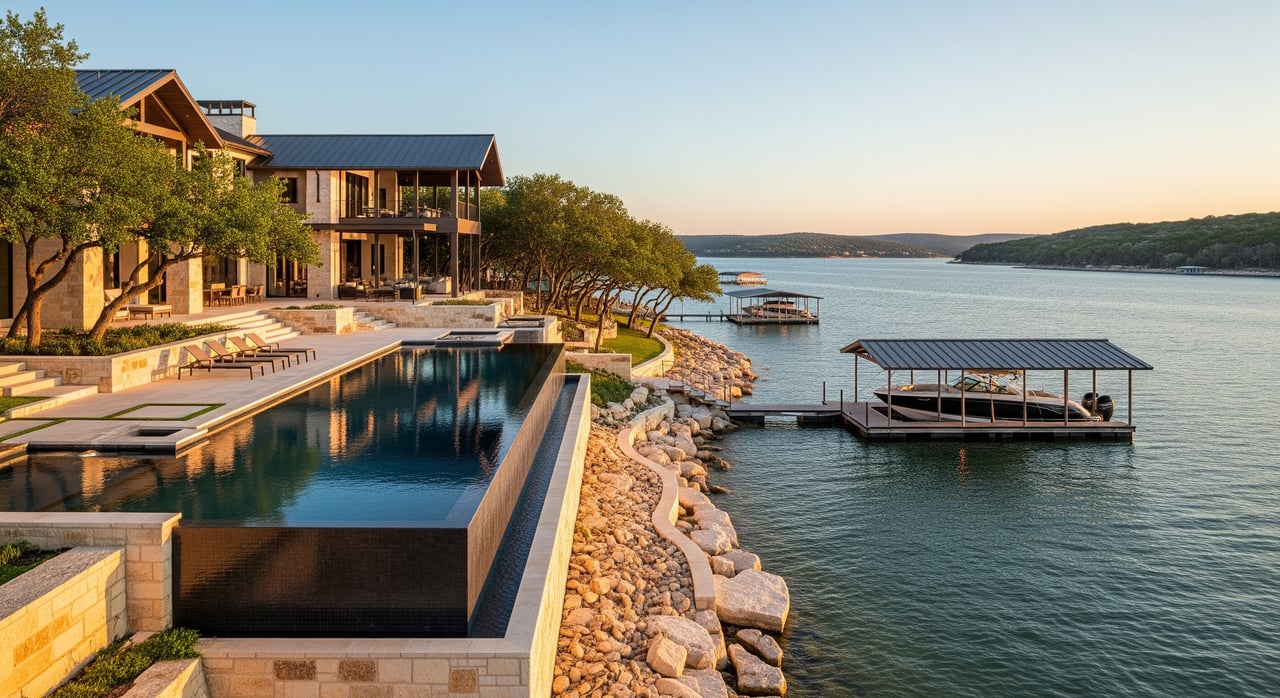
Picture your morning coffee on the dock, glassy water ahead, and the boat ready for a quick cruise. Buying on Lake Travis can get you there, but it is not the same as buying a typical house in town. Lake levels, docks, septic systems, flood zones and permits all play a role. This guide walks you through what to check, who to call and how to structure a smart offer so you buy with confidence. Let’s dive in.
Know the lake and who manages it
Lake Travis is a managed reservoir on the Colorado River. The Lower Colorado River Authority (LCRA) oversees lake levels, shoreline use and many dock rules. Start by getting familiar with LCRA policies and lake operations through the LCRA.
Several agencies and local governments can affect your plans. Counties and cities around the lake handle building and septic permits. FEMA sets flood maps that influence insurance and lending. Boating safety and public‑water rules are covered by the Texas Parks and Wildlife Department. For larger shoreline projects, state or federal permits can apply through the U.S. Army Corps of Engineers.
Choose your shoreline and access
Confirm boundaries and rights
Your first goal is to understand where the lot ends and how you reach the water. Ask for a current ALTA or land survey that shows lot lines, improvements and any easements down to the shoreline. Confirm what the deed conveys about water access and whether any recorded easements or LCRA reservations affect use of the shore. Walk the route to the water to verify steps, slope and season‑to‑season usability.
Key documents to request:
- Recent survey and legal description
- Title commitment with all recorded easements
- Any LCRA correspondence related to the shoreline or dock
Check water depth and boat access
Depth at the dock is not constant. Lake Travis levels change with seasons and rainfall, which affects draft and boat clearance. Ask the seller for historical depth observations and consult LCRA’s published lake data on LCRA. If boating is a priority, measure current water depth and consider a marine or diver inspection to assess the lakebed near the dock path.
Not every property has a private dock. Some homes rely on community docks or nearby marinas. If you need a slip, confirm waitlists, fees and rules before you fall in love with a house.
Verify dock and marina status
Docks fall into three basic categories: private docks owned by the lot owner, shared or community docks managed by an HOA, and commercial marinas with slips for lease. Each setup has different responsibilities and rules. Confirm who owns the structure, who maintains it and whether it was permitted correctly.
Ask for:
- Dock or boathouse permits and any LCRA approvals
- HOA rules for docks and waterfront use, if applicable
- Marina lease or membership terms, including waitlist position and guest policies
Inspect what matters on the water
Shoreline stability and erosion control
Retaining walls, rip‑rap and bulkheads protect your shore and your investment. Have a structural or marine specialist evaluate visible shoreline features for wear, movement or undermining. Repairs or new stabilization may require permits, so ask contractors to outline the likely scope and approvals.
Septic, sewer and water utilities
Many lake homes use private septic systems. Order a septic inspection, review county health department records, and confirm age, capacity and last service. If a private well exists, test water quality and flow. If the property is on central sewer and water, verify hookups and utility easements with the jurisdiction, such as Travis County when applicable.
Flood risk, insurance and elevation
Check FEMA flood maps for the parcel and ask the seller if an elevation certificate is available. Lenders may require flood insurance in certain zones, and premiums depend on elevation and community participation in the NFIP. Review coverage options early and note that standard homeowner policies often limit coverage for docks and boathouses. Start with FEMA’s resources to understand your baseline.
Environmental and lake‑use considerations
Before you close, look for advisories on algae, aquatic weeds or invasive species that can affect boating and maintenance. The Texas Parks and Wildlife Department and LCRA publish updates that help you plan boat cleaning, decontamination and seasonal use. Also visit during peak summer hours to gauge noise and traffic near public ramps and popular coves.
Legal, title and permits on Lake Travis
Submerged land and agency rights
Ownership at the water’s edge can be complex on a reservoir. State or agency interests may apply to submerged lands, and LCRA can hold easements or reservations that affect docks and shoreline improvements. Review the title commitment for any reservations or encroachments and request available LCRA records tied to your lot.
Permits for docks, dredging and shoreline work
Small repairs may be straightforward, but larger projects like covered boathouses, dredging or major shoreline stabilization often need multiple approvals. Expect to coordinate with LCRA and local county or city permit offices, such as Travis County. Substantial dredge or fill work can trigger state or federal review through the U.S. Army Corps of Engineers. Build time and contingency into your plan if you anticipate upgrades.
HOA, access and community rules
If an HOA governs the property, review CC&Rs for dock standards, exterior materials and any rental policies. Understand shared access easements for private roads, ramps or community beaches. Also note nearby public parks or boat ramps that could influence weekend parking and traffic.
Financing and offer strategy
Work with the right lender
Waterfront homes can involve extra underwriting steps. Lenders sometimes request elevation certificates, septic approvals or documentation of dock permits. Choose a lender experienced with lake properties and present clean records up front. Keep a financing contingency that allows you to exit if required flood insurance is unavailable or unaffordable.
Hire the right specialists
Add time in your option period for these experts:
- Licensed home inspector experienced with lake homes
- Licensed surveyor, ideally an ALTA survey
- Marine or dock inspector, and a diver for submerged elements if needed
- Septic system inspector and county health department liaison
- Structural engineer for retaining walls or bulkheads showing movement
- Environmental consultant if you suspect hazardous materials or severe erosion
Must‑have contingencies for Lake Travis
Protect your purchase with clear contract language:
- Satisfactory survey confirming boundaries and no unrecorded easements that block water access
- Verification of dock or boathouse legal status and the right to repair or replace, with LCRA and local permit history
- Septic system acceptable to the county and lender, or confirmed sewer hookup
- Buyer review of HOA documents and any marina or slip agreements
- Financing and flood‑insurance procurement contingency
- Comprehensive inspection contingency, including marine and structural evaluations
Negotiation and repair allocations
Items that affect access to the water, safety or lending deserve priority. If the dock or shoreline work lacks permits, you may need approvals before repairs. Spell out who will obtain permits, pay fees and complete work, and include timelines so there are no surprises after closing.
Timing your purchase
Lake levels and seasonal visits
Lake Travis levels shift with rainfall and water management, which changes water depth at your dock and the look of the shoreline. Review historical patterns on LCRA and visit at different times if you can. See the property during lower water to confirm practical access and during peak boating season to gauge traffic and noise.
Market seasonality and carrying costs
The Austin lake market often lists more inventory in spring and summer, which can bring more competition. Off‑season shopping in late fall or winter may offer better negotiation but fewer choices. Build a budget that includes property taxes, utilities, HOA dues, marina or dock fees and insurance so you are comfortable with year‑round carrying costs.
What to request from the seller
Use this checklist to get the full picture before you close:
- Recent ALTA or land survey with improvements and easements
- Full legal description and current title commitment with all recorded easements or LCRA reservations
- LCRA permits or correspondence for any dock, boathouse or shoreline work
- Septic permits, inspection reports, pumping and repair history; sewer availability maps if relevant
- HOA CC&Rs, budgets, reserve studies and meeting minutes on dock or shoreline maintenance
- Marina slip agreement and current status on waitlists and fees, if applicable
- Seller’s disclosure and list of known issues or past shoreline repairs
- Photos of the lot at different lake levels and any available historical lake‑level data
How JKB Realty Group helps you win
Buying on Lake Travis rewards preparation. You want a team that knows the neighborhoods, understands agency rules and can coordinate the right specialists fast. JKB Realty Group is an Austin‑based, founder‑led team that regularly represents buyers on lakefront and second‑home purchases. We pair neighborhood‑level intelligence with a clear, concierge process so you can focus on the fun part of owning on the water.
You get boutique service at team scale. Our in‑house operations help line up surveys, inspections and permits, while our technology keeps you informed every step of the way. We use a data‑informed approach to pricing and offers, and our track record and reputation support strong negotiations.
Ready to explore Lake Travis waterfront homes with confidence? Connect with JKB Realty Group to start a tailored plan for your search.
FAQs
Can you build a dock on Lake Travis?
- Possibly, but it depends on your lot, any LCRA reservations or easements, and local permits; verify ownership of shorebed and obtain approvals before planning work.
Who owns the land under the water on Lake Travis?
- In many cases the state or an agency holds title to submerged lands, and LCRA may hold easements, so upland ownership does not guarantee full control of the lakebed.
Do you need flood insurance for a Lake Travis home?
- If your property is in a FEMA flood zone, your lender will likely require it, and even if not required, many waterfront buyers choose coverage after reviewing FEMA maps.
How do marina slips work if a property lacks a private dock?
- You can lease a slip from a commercial marina, but confirm availability, waitlists, fees, guest rules and services before you buy, since slips are limited in peak season.
What inspections are essential for a Lake Travis home?
- Beyond a standard home inspection, plan for a survey, marine or dock inspection, septic inspection, and structural review of retaining walls or bulkheads, with diver work as needed.