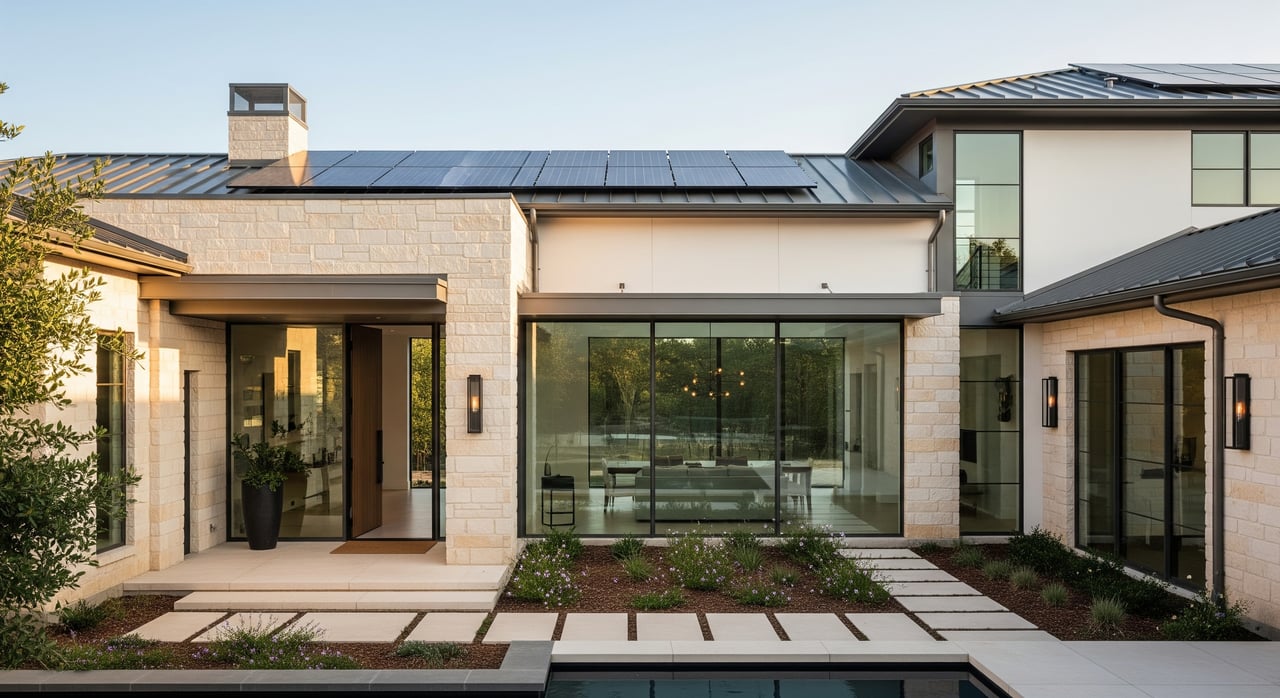
When summer sticks around in Crestview, your AC runs long hours and your bill shows it. If you live in an older NW Austin home, you likely feel hot spots, hear that pool pump hum, or wonder if your system is working harder than it should. The good news is Austin Energy offers proven rebates and bill credits that target exactly where these homes lose money and comfort. In this guide, you’ll learn the programs that matter most, how to stack rebates and tax credits, and a simple plan to apply with confidence. Let’s dive in.
Why rebates matter in Crestview
Cooling is the biggest driver of electricity use in Austin’s climate, and many Crestview homes were built before today’s efficiency standards. That often means under-insulated attics, leaky ducts, and older AC units. Austin Energy’s residential incentives focus on the measures that cut those losses and improve comfort. You can often combine utility rebates with federal tax credits and low-interest financing to reduce upfront cost and monthly bills.
The Austin Energy programs that count
Home Performance with ENERGY STAR
If your home feels drafty or uneven, start here. A participating contractor completes a diagnostic energy audit with blower door and duct testing, then installs a package of upgrades like attic insulation, air sealing, duct sealing or replacement, and sometimes HVAC right-sizing. This whole-home approach targets the biggest wins for Crestview’s mid-century stock. Austin Energy outlines the current process and requirements on its residential rebate pages. You can begin by reviewing the latest program details on the Austin Energy residential rebates site.
High-efficiency HVAC and smart thermostats
Replacing a 10 to 15 year old central AC with a high-efficiency heat pump can lower summer bills and improve comfort. Austin Energy offers incentives for qualifying heat pumps or air conditioners, often tied to performance ratings and proper installation. Pair the upgrade with a qualifying smart thermostat to add smarter schedules and potential demand response benefits. Check Austin Energy’s HVAC and thermostat rebate information to confirm eligible equipment and contractor rules on the Austin Energy website.
Variable-speed pool pump upgrades
Many NW Austin homes have pools, and single-speed pumps are quiet energy hogs. A variable-speed model can run more efficiently for longer hours. Austin Energy provides rebates for qualifying high-efficiency or variable-speed pool pumps, often with proof of the old pump removal. See the latest pool pump criteria and participating contractor lists on Austin Energy’s site.
Heat pump water heaters
Heat pump water heaters use efficient electric technology to heat water using ambient air. For homes replacing an electric resistance tank, this can be a major savings play over time. Austin Energy supports HPWH installations through qualifying rebates. You can review equipment specifications on ENERGY STAR’s site and confirm rebate eligibility on Austin Energy’s pages.
Solar, batteries, and bill credits
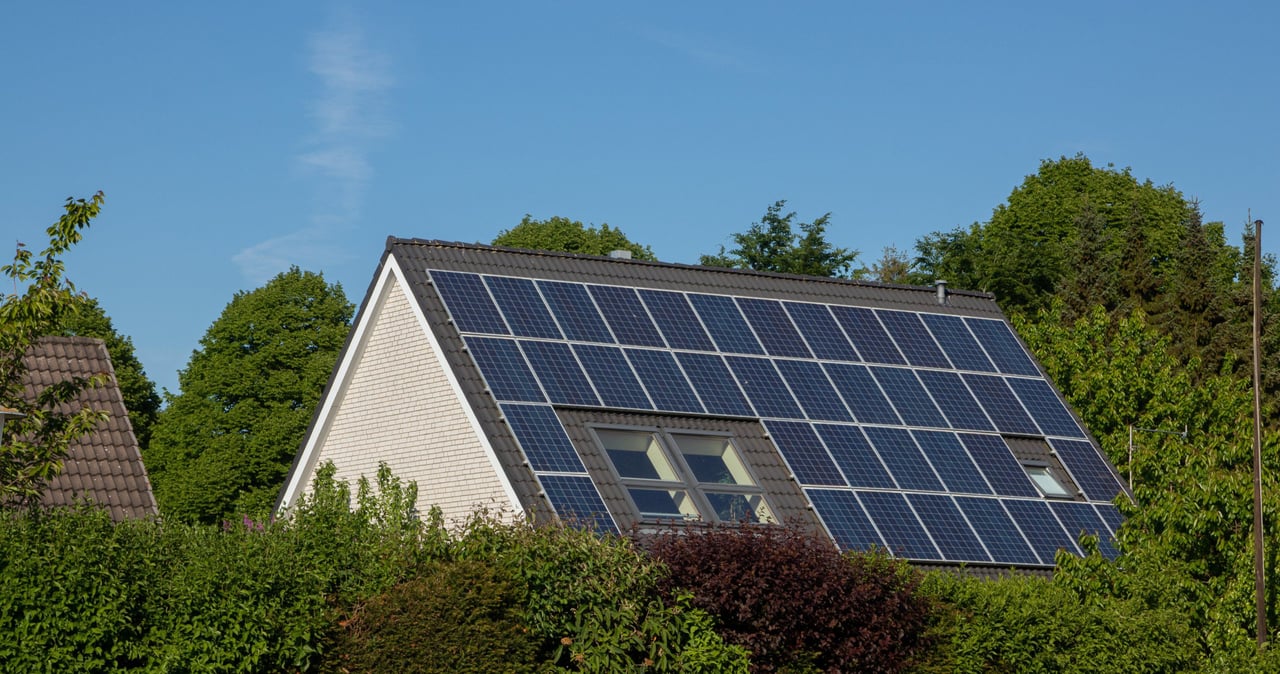
Solar can offset a big share of your electricity use if your roof and trees allow. Two pieces matter most. First, look at installation incentives and federal tax credits. The federal Residential Clean Energy Credit applies to many solar and battery systems. Review the latest rules on the IRS website. Second, understand how Austin Energy credits solar exports on your bill. Compensation rules affect payback and system sizing, so confirm current interconnection and billing details on Austin Energy’s solar and interconnection pages before you sign a contract.
High-impact upgrades for Crestview homes
- Attic insulation plus air and duct sealing through a Home Performance package.
- Replacing an older AC with a high-efficiency heat pump and adding a smart thermostat.
- Swapping a single-speed pool pump for a variable-speed model.
- Installing a heat pump water heater if you have an electric tank now.
- Adding solar if your roof orientation and shading make sense.
These measures align with Austin Energy’s programs and address the most common efficiency gaps in older NW Austin homes.
How to stack rebates and financing
Stacking basics
You can often layer incentives to bring down cost. A common path is to combine Austin Energy rebates with federal tax credits where allowed. Manufacturer promotions may also apply. Stacking rules and tax treatment vary, including whether a rebate changes the basis used for a federal credit. Review current utility terms and consult IRS guidance or a tax professional before you finalize your numbers. For a quick policy overview, the DSIRE database tracks incentives and rules across Texas and utilities.
Financing options that fit
- PACE financing: In areas where PACE is available, you can finance eligible energy upgrades through a property assessment with long repayment terms. Confirm availability and rules for Travis County before you proceed.
- Utility or on-bill options: Some utilities offer on-bill loans or pilots. Check Austin Energy for any active financing programs.
- Home equity, HELOC, or unsecured loans: Spread costs with competitive rates. Interest may be tax-deductible. Confirm details with your lender and tax advisor.
- Contractor financing: Many heat pump, HPWH, and solar installers offer low-interest or deferred plans. Read terms and confirm that financing does not affect rebate eligibility.
A practical approach is to use utility rebates to lower the invoice and pair the balance with a long-term option like a HELOC or PACE. Always verify that your financing choice does not conflict with Austin Energy program rules.
How rebates and tax credits interact
Utility rebates usually arrive as a bill credit, instant discount, or post-installation check. Federal tax credits are claimed on your tax return. Whether a utility rebate must be subtracted from the project cost used to calculate a federal credit depends on IRS rules for that measure. Review current guidance on the IRS website or speak with a tax professional before you file.
Contractors, permits, and timing
Austin Energy often requires participating contractors and verification steps like pre and post tests. Use the utility’s current contractor lists and equipment eligibility pages before you schedule work. Many HVAC and electrical projects in Austin need city permits, so plan for inspections and coordination. You can review permitting resources on the City of Austin website.
Peak seasons fill fast. Spring and early summer bring HVAC and pool pump backlogs. Solar timelines also depend on interconnection approvals. Get pre-approval where required and submit paperwork quickly after installation to keep your project on track.
Step-by-step: your application plan
Identify priorities. Start with a Home Performance audit for a full picture or get quotes for the upgrades you already know you need.
Confirm current rules. Download program details, forms, and participating-contractor lists from the Austin Energy residential rebates site.
Get written bids. Ask for projected savings, payback, and whether the contractor handles rebate paperwork.
Choose financing. Decide on PACE, HELOC, contractor financing, or another option. Confirm it will not affect rebate eligibility.
Schedule the work. Pull permits where required and ensure contractors complete all diagnostic testing.
Submit and track. File your rebate applications with invoices, model numbers, and test reports within the required timeline. Confirm whether you’ll receive a bill credit or check.
For solar only. File interconnection documents and confirm your billing credit structure before installation.
The bottom line for NW Austin
If you live in Crestview or nearby NW Austin neighborhoods, the highest value upgrades are clear. Start with a Home Performance audit to fix insulation and duct issues, then target a high-efficiency heat pump and smart controls. Add a variable-speed pool pump and consider a heat pump water heater. If your roof works for it, evaluate solar and understand how your exports will be credited. By stacking Austin Energy rebates with federal credits and smart financing, you can lower your upfront cost and your monthly bills.
Ready for a plan tailored to your home and budget in NW Austin? Schedule a conversation with JKB Realty Group to connect with trusted local pros and line up projects that boost comfort and long-term value.
FAQs
Can I combine Austin Energy solar rebates with the federal tax credit?
- Often yes, but how they interact depends on current utility terms and IRS rules for calculating the federal credit basis. Review Austin Energy’s current solar pages and the IRS guidance before you sign.
Do I need a participating contractor for rebates in Austin?
- For many programs, yes. Austin Energy typically requires participating contractors and specific verification steps. Check each program’s rules before you hire.
Will Austin Energy rebates cover the full cost of a new heat pump?
- Rebates reduce the price but rarely cover the entire cost. Pairing rebates with federal incentives and low-interest financing can make the upgrade more affordable.
How long does it take to receive an Austin Energy rebate?
- Timelines vary. Processing can take weeks to months, depending on verification steps, program volume, and funding.
Do rebates apply to batteries paired with solar in NW Austin?
- Utility and federal incentives can apply to solar plus storage, but stacking rules and export compensation vary. Confirm Austin Energy interconnection and billing details and review IRS guidance before you finalize your design.